
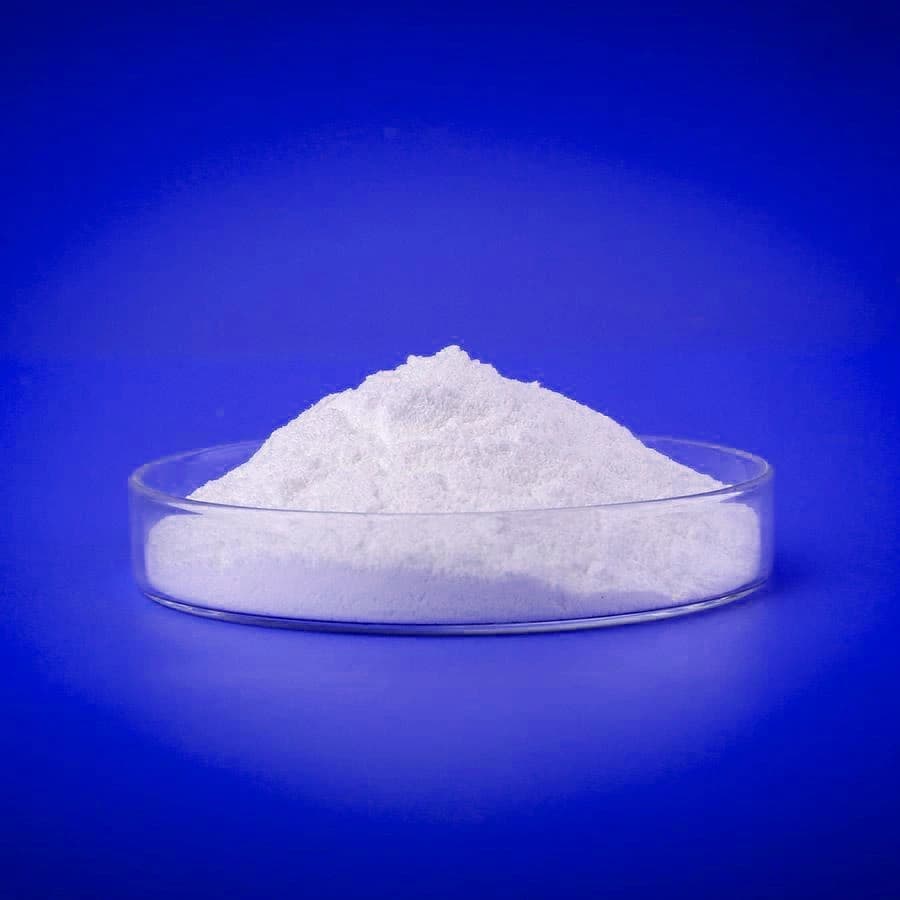
Soda Ash Light (99%) - Turkey
- IUPAC Name
- disodium carbonate
- Molecular Formula
- Na2CO3
- Molecular Weight (g/mol)
- 105.9900
- Synonyms & Trade Names
- Soda ash light; Sodium carbonate; Washing soda; E500ii
- Purity / Assay (%)
- 99.2% min
- Physical Form
- Solid
Technical Document
Download MSDSBrief Overview
There are three main grades of soda ash: dense soda ash, light soda ash, and washing soda. Light soda ash, also referred to as anhydrous sodium carbonate (Na2CO3), is a white, odorless granular powder that easily dissolves in water, forming a highly alkaline solution. It exhibits hygroscopic properties, absorbing moisture from the atmosphere and causing clumping. While its primary form is the monohydrate, it can also exist as decahydrate and heptahydrate.
Spontaneous formation of soda ash light occurs from sodium deposits, which undergo extensive geological processes, including igneous rock erosion, sodium sediment transport, and chemical reactions. During weathering, sodium deposits are initially released from igneous rocks, washed away, flowed downstream, and accumulated in basins. Exposure to carbon dioxide is the catalyst for soda ash production.
Manufacturing Process
Solvay Technique
In 1861, Belgian chemist Ernest Solvay introduced the Solvay technique, a highly efficient means of converting sodium chloride into soda ash light. This method entails the interaction of ammonia with sodium chloride, utilizing calcium carbonate as a catalyst. The resulting product is sodium bicarbonate, which undergoes a heating process to be transformed into soda ash light.